Everyone Can Wear Red
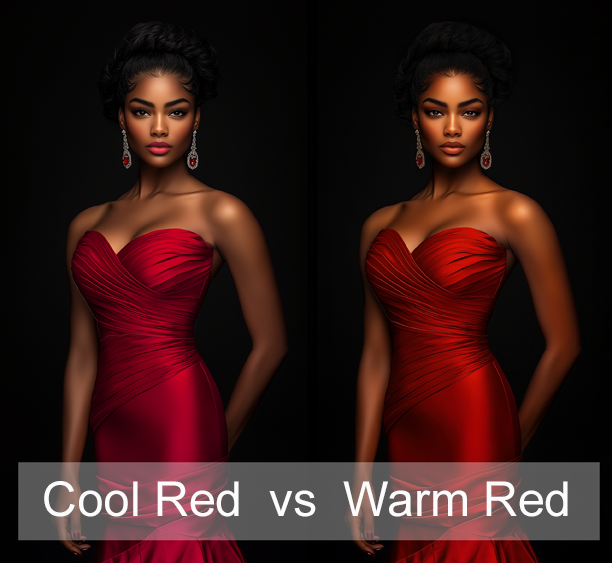
Let’s talk about how to wear red according to your season.
Did you know that everyone can wear red? Pure red is actually a color anyone can wear, regardless of your season.
In fact, I include pure red in each of my swatches. I will explain why, but first, let’s talk about the color red in general.
Red has long been connected with strong emotions—it demands attention. Whether it’s a red dress, red lipstick, or even a pair of red shoes, people are bound to take notice. If your goal is not to stand out, using red in small doses is best.
Studies show that red can evoke some powerful feelings - confidence, strength, lust, power, love. It’s a color that makes a statement, so it’s often chosen for special occasions, such as a romantic date. You wear it when you want to stand out or feel empowered.
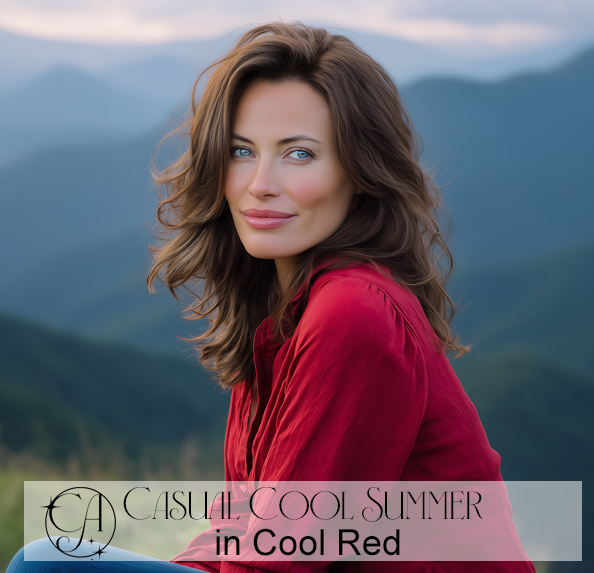
But red can also be a great option for everyday wear when styled thoughtfully.
Find a shade of red that harmonizes with your basic undertone, like this Cool Summer in a cool shade of red.
Find out more about different fashion style personalities here.
Isn't Red a Warm Color?
For our purposes in color analysis, where undertones are everything, I consider red a ‘neutral’ color. Now, I mean neutral in temperature only.
The term neutral is sometimes used in color analysis to mean neither warm nor cool.
But it is a term used most often to mean a color that is not saturated, like grey, taupe, brown, etc. And most reds do not fit that definition.
Yes, I know that most people say red is a warm color, and intrinsically, it is. But think about it. There are three primary colors from which every other color in the world is made (plus white and black).
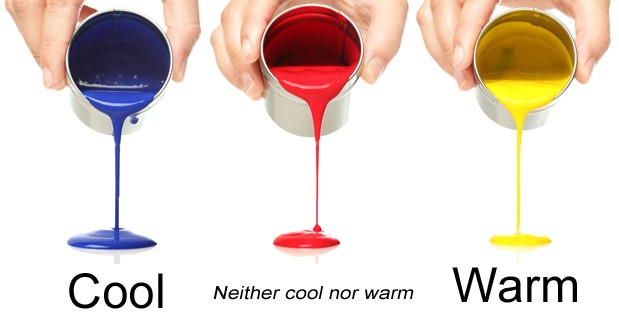
Blue is cool. Yellow is warm.
A color becomes cooler when blue is added to it. A color becomes warmer when you add yellow to it. Red has neither. So, adding a touch of yellow to red makes it a warm red. Add a touch of blue to red, and it becomes a cool red.
So, I say that everyone can wear true Red. True Red has little to no yellow or blue.
The trouble is, they are hard to find in real life when you shop.
Personally, I rarely find a red that works for me. As a Warm Autumn, the reds are either too cool or deep. If I do find a warm red, it is way too bright for me.
So finding a True Red is challenging. But if you can find it and afford it, go for it.
Aside from the elusive True Red, most other shades of Red will have many variations. Depending on the amount of yellow or blue, it can have different undertones as well as different values and chroma.
If you know your season, at least knowing which shade of red to wear will be easier.
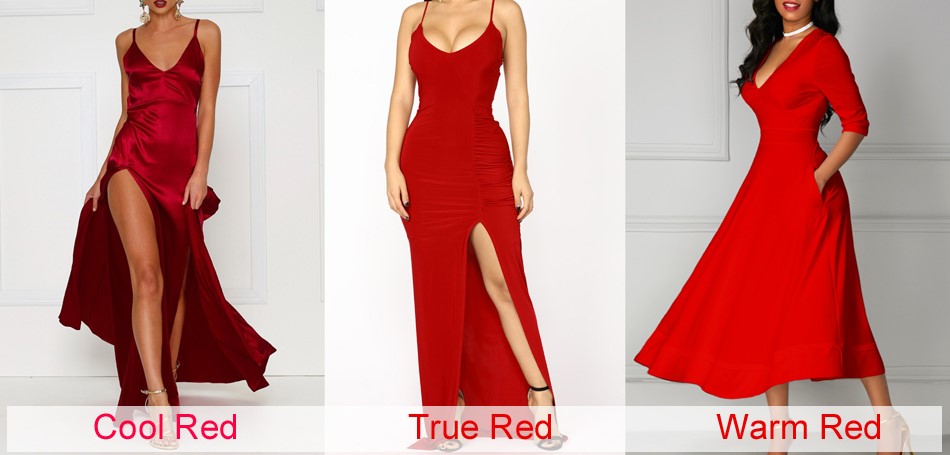
Here are some guidelines for each season when looking for the best red in clothes and in lipstick.
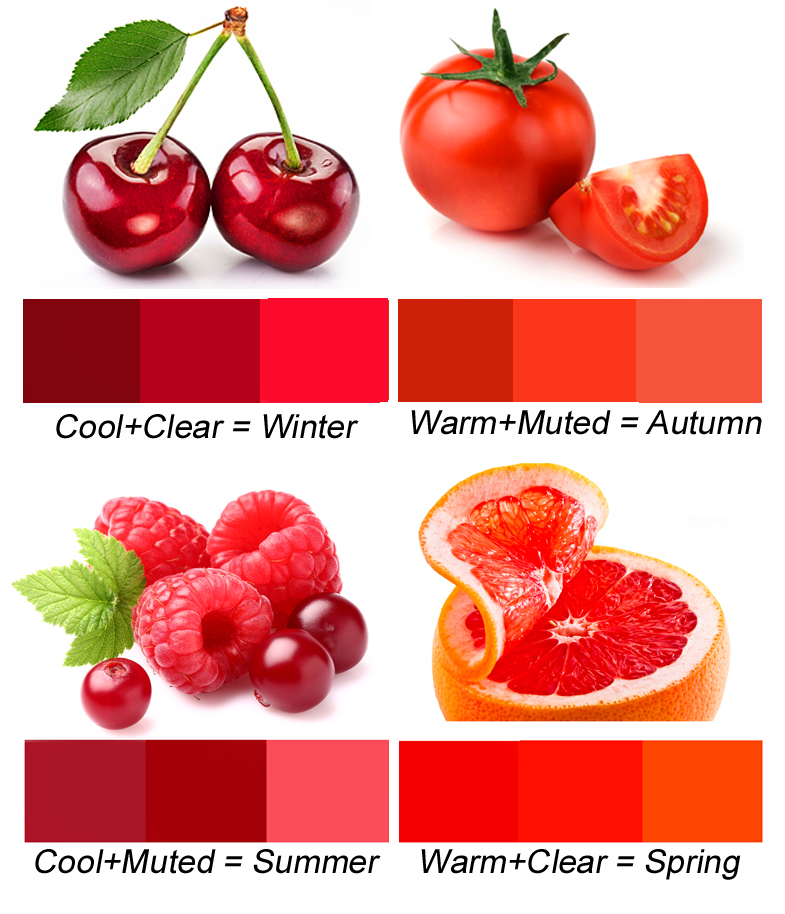
Winters: Choose True Red or Cool, Clear Reds.
- Deep Winters can wear both bright or dark Red.
- Soft Winters should avoid anything too bright. Maroon and Reddish plums are great for this season.
- Clear Winters are the ones who need the brightness most. True clear bright red will always look fabulous.
- Winters (or Summers) who have a touch of warmth to them, like the Toasted or Deep Winters (or Sunlit or Toasted Summers), should find their touch of warmth in other places instead of their reds. Blush, eyeshadow, or some gold jewelry will be enough warmth for them. Getting your Red undertone correct is important, or it can throw off your entire look.
Autumns: Choose True Red or Warm, Muted Reds
- All Autumns need a muted quality to their reds, like a tomato red.
- Even if you find a great True Red, make sure it is not too bright.
- The lighter Soft Autumns should avoid anything too dark, of course.
- Deep Autumns can go pretty deep with their reds
Summers: Choose True Red or Cool, Muted Reds
- All Summers should avoid anything too bright.
- A softer, powder-like quality or a rich berry shade will look great on you.
- Anything too dark will not harmonize with your delicate coloring, even for the deepest summers.
Springs: Choose True Red or Warm, Clear Reds
- Choose warm reds that are light and somewhat bright.
- Springs are the lightest-value seasons, and anything dark and heavy will not harmonize well.
- Some shimmer is great for all Springs. Clear Springs can handle the most shine.
- Light Springs may need shades a touch lighter to avoid being too overpowering since Red is such a strong color.
To illustrate the differences in reds further, I like to use examples from nature. And what is better than fruit? :)
Fyi: Wikipedia has a lot of interesting information about the color red, if you are interested.
Return to Home page
SHOP

Recent Articles


-
Find a ColorBreeze® Certified Consultant | Color Allure
Aug 03, 26 03:55 PM
 Meet our certified ColorBreeze® consultants — professional color analysts trained and licensed in the full 28-season system to help you find your colors
 -
Micro Color Analysis goes a little deeper than just naming a season.
Jun 19, 26 11:09 AM
 Micro color analysis is a term I'm using for when I give a small explanation for why I chose the season I did for certain ai art images.
 -
Ugly Colors — Which Ones Are Actually Flattering (and on Whom
May 31, 26 12:48 PM
 Ugly colors like beige, mustard, and mauve aren't always unflattering — it depends on your season. Find out which "ugly" colors might actually work for you



CONTACT
www.ColorAllure.com
Lora Alexander
lora@colorallure.com
779.770.4716

LEARN MORE
TRAINING
Learn the ColorBreeze™ System
(accepting new enrollments)
© Copyright 2008-2026 - ColorAllure. Privacy Policy